June 29, 2026
Severe weather patterns, grid instability, and unexpected equipment failures can plunge a neighborhood into darkness without warning. For homeowners, a prolonged electrical outage is more than a minor inconvenience; it can jeopardize climate control systems, ruin refrigerated food supplies, disrupt remote work schedules, and deactivate essential medical equipment. To mitigate these vulnerabilities, many property owners consider investing in an independent backup power source. Installing a home generator provides a robust line of defense against the unpredictability of the modern utility grid, ensuring that your household remains warm, secure, and fully operational when regional power lines fail. However, selecting and integrating a backup power system requires meticulous planning, technical evaluation, and a clear understanding of your property's specific electrical infrastructure.
A backup electrical system is a complex piece of industrial machinery that interfaces directly with your residential electrical panel and fuel utility lines. Because this investment involves advanced electrical engineering and mechanical configuration, homeowners should never rush into a purchase without conducting thorough research. Asking detailed, targeted questions prior to beginning construction protects your financial investment and ensures that the final system aligns perfectly with your daily operational expectations. Vetting every variable from capacity to local regulations eliminates operational surprises during a real emergency. Here are the crucial questions every property owner must explore before moving forward with a backup power project.
Determine Power Capacity Requirements
The initial step in configuring a backup power system involves evaluating the exact electrical demand of your property. Homeowners must decide whether they want to power their entire residence or simply support essential circuits during an emergency. A comprehensive whole-house system will keep every luxury running smoothly, including heavy appliances like central air conditioning units, water heaters, and electric clothes dryers. Conversely, a selective configuration focuses exclusively on critical infrastructure such as refrigerators, interior lighting, sump pumps, and security networks.
Consulting with a professional technician helps determine the necessary capacity without under-sizing or over-sizing the unit. An under-sized system will experience severe electrical overloads and shut down when multiple appliances cycle on simultaneously, while an over-sized unit will consume excessive fuel and generate unnecessary expenses. By evaluating the collective electrical load of your daily routines, you can select a home generator that delivers stable, reliable current without overtaxing the internal mechanical components during a prolonged blackout.
Evaluate Local Fuel Accessibility
A backup electrical system requires a continuous, dependable fuel supply to generate current over an extended duration. Homeowners must look closely at their current utility connections and local availability to choose between natural gas, liquid propane, or diesel options. Natural gas systems connect directly to municipal utility lines, offering an indefinite fuel supply that eliminates the need for manual refueling or on-site storage tanks. However, if a natural gas line is unavailable on your property, liquid propane represents an exceptionally clean-burning and efficient alternative.
If you opt for liquid propane, you must determine whether your property can accommodate a large underground or above-ground storage tank. Local fuel delivery schedules, tank leasing agreements, and fuel shelf-life must all be factored into your decision-making process. The chosen fuel source directly influences the placement of the unit, the complexity of the initial trenching work, and your ongoing operational readiness during regional disasters when fuel deliveries might be temporarily disrupted.
Review Neighborhood Zoning Regulations
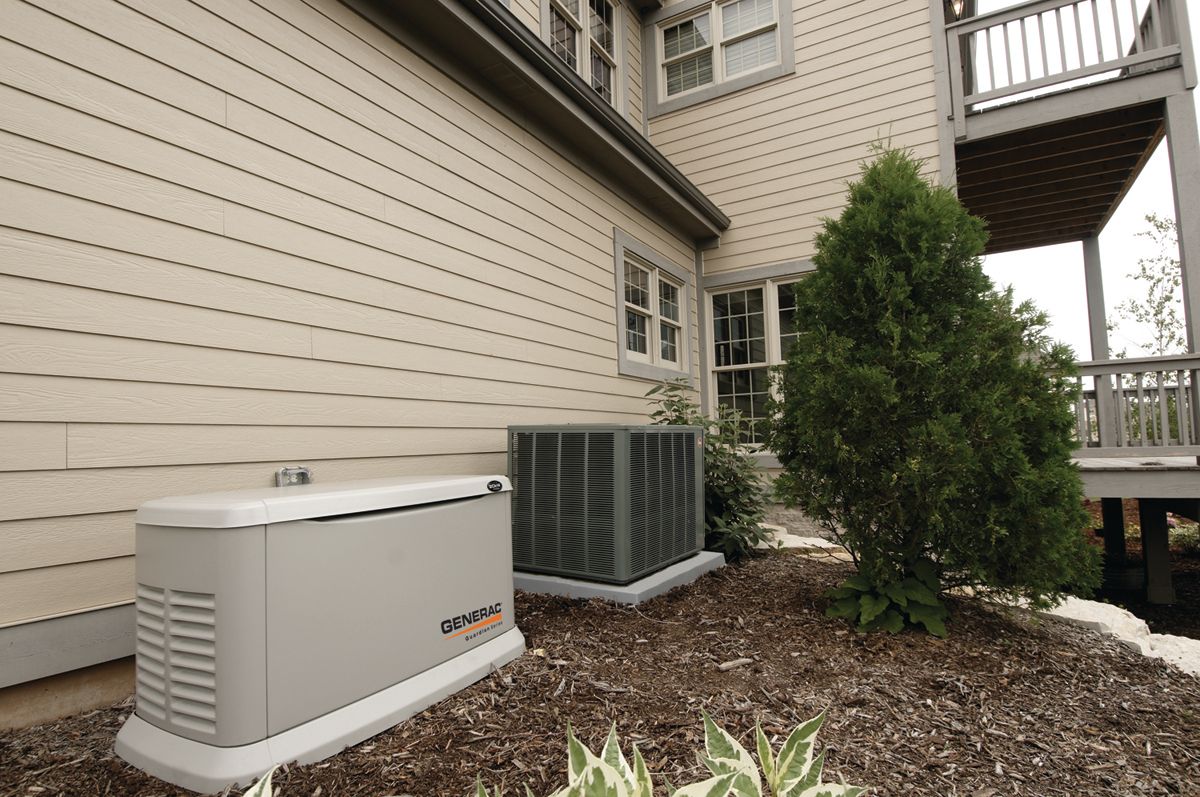
Residential construction projects must comply with a complex web of municipal building codes, environmental restrictions, and homeowners association rules. Before purchasing any equipment, you must investigate the specific setback requirements that dictate how far a mechanical unit must sit from your property lines, windows, and doors. These rules are designed to prevent exhaust fumes and carbon monoxide from entering your living spaces or encroaching on neighboring properties.
Furthermore, noise ordinances play a major role in device selection and placement. Backup power systems generate significant sound during operation and routine self-testing cycles, which can lead to complaints or municipal fines if the unit exceeds local decibel limits. Researching these regulations early in the planning phase ensures that your installation remains fully compliant, avoiding expensive fines or the necessity of relocating the heavy machinery after construction is complete.
Plan Routine Maintenance Schedules
Like an automobile engine, an emergency electrical unit requires consistent care, inspection, and tuning to ensure it activates flawlessly when the main utility grid goes dark. Homeowners must ask about the long-term maintenance requirements, including oil changes, spark plug replacements, filter updates, and battery health checks. Neglecting these routine procedures can lead to mechanical failures at the most critical moments. According to Homeland Security, backup generators have a failure rate of approximately 15% after 24 hours of continuous use due to maintenance issues or fuel degradation.
To prevent these operational failures, you should establish a clear maintenance partnership with a certified technician. Many modern units feature automated self-testing cycles that activate the engine for a short duration each week to circulate fluids and diagnose internal electronics. Understanding these requirements helps you budget for ongoing service contracts and guarantees that your home generator remains in peak operational condition, ready to withstand days of continuous operation without experiencing unexpected mechanical breakdowns.
Understand Automatic Transfer Mechanics
The mechanism that connects your backup power system to your residential electrical panel is just as important as the engine itself. An automatic transfer switch serves as the intelligent brain of the system, constantly monitoring the incoming utility voltage. When municipal power drops out, the switch safely disconnects your home from the external utility grid and establishes a secure connection with your independent power unit, executing the transition within seconds.
This mechanical isolation is crucial for protecting the safety of utility linemen working to repair regional power lines, as it prevents your system from dangerously backfeeding electricity into the public grid. Homeowners should inquire about how the transfer switch prioritizes loads and whether it features smart power management capabilities. A well-designed transfer interface prevents system overloads, safeguards sensitive household electronics from voltage spikes, and ensures a seamless transition back to utility power once public service is restored.
Assess Total Financial Investments
Investing in an independent residential power network involves a variety of costs that extend far beyond the initial retail price of the machinery. Property owners must request a comprehensive financial breakdown that encompasses municipal permitting fees, specialized delivery equipment, concrete pad pouring, electrical panel upgrades, and utility plumbing connections.
Securing your household against modern grid vulnerabilities is a profound step toward achieving true residential independence and peace of mind. By addressing these critical questions regarding power capacity, fuel logistics, municipal compliance, and mechanical maintenance, you can approach your infrastructure project with absolute clarity and confidence. Partnering with qualified professionals transforms what could be a confusing technical ordeal into a streamlined home improvement project that permanently fortifies your property. The right backup system ensures that your family stays safe, comfortable, and connected, regardless of external environmental challenges or regional utility instabilities.
At Ainsworth Electric Inc, we are completely dedicated to safeguarding your home and family with exceptional, tailor-made residential power solutions. Our collective team of elite technicians brings extensive technical expertise, meticulous attention to detail, and top-tier craftsmanship to every single installation project. We guide you seamlessly through the entire process, from initial electrical load calculations and permitting to final mechanical testing and ongoing system maintenance. We believe that dependable power is a necessity, and we work tirelessly to ensure your independent system activates flawlessly when you need it most. Contact us today to explore how we can customize a resilient, high-performance home generator network that protects your property for decades to come.