September 1, 2026
When severe weather or unexpected grid failures knock out your power, having a reliable backup system becomes an absolute priority. Choosing and installing home generators requires careful planning, technical expertise, and a clear understanding of your household energy needs. Partnering with licensed electrical contractors ensures that your power investment is safe, compliant, and tailored to your specific living situation.
Assessing Your Electrical Needs
Determining the exact power requirements for your residence is the foundational step of any backup energy project. Every appliance, lighting fixture, heating element, and cooling system draws a specific amount of electricity, which is measured in running watts and starting surge watts. When you begin evaluating home generators, you must account for both the continuous energy required to keep devices running and the extra burst of power required to kick-start heavy equipment like central air units or sump pumps. Working alongside certified electricians allows you to conduct a thorough energy audit, mapping out every critical circuit in your electrical panel. This professional load calculation prevents you from purchasing a system that stalls under heavy demand or wastes energy by running far below its design capacity.
Choosing Between Standby and Portable Systems
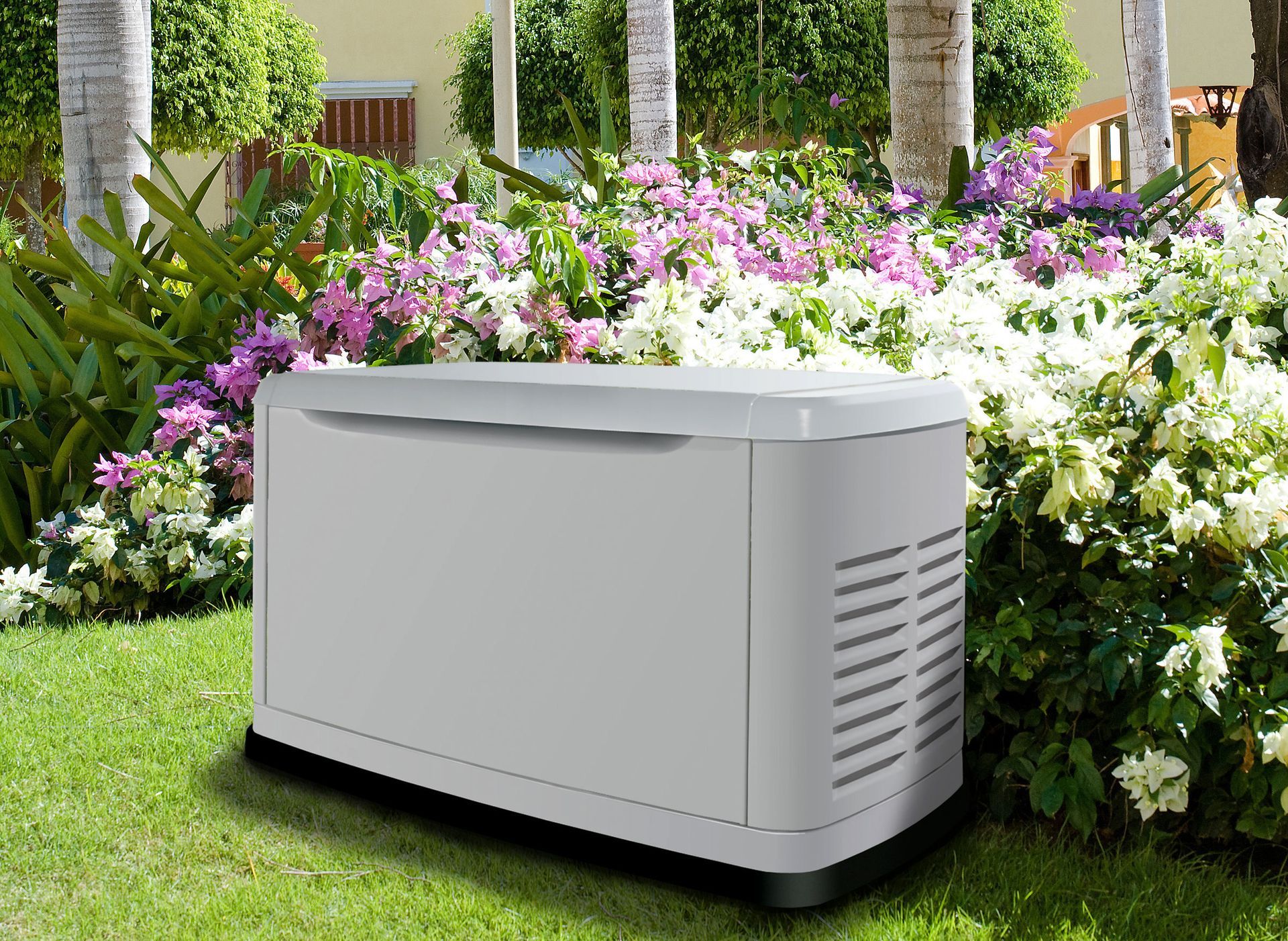
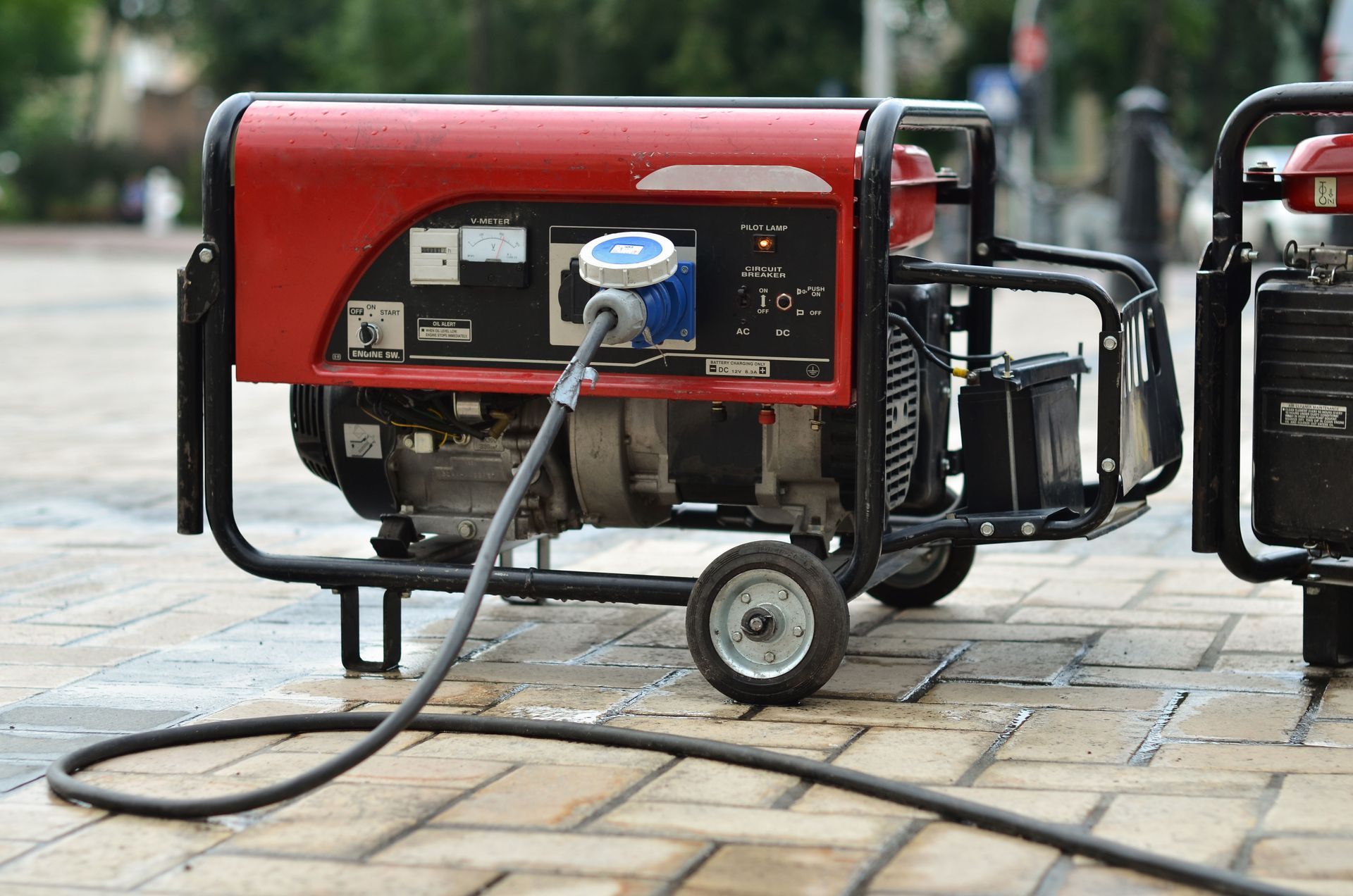
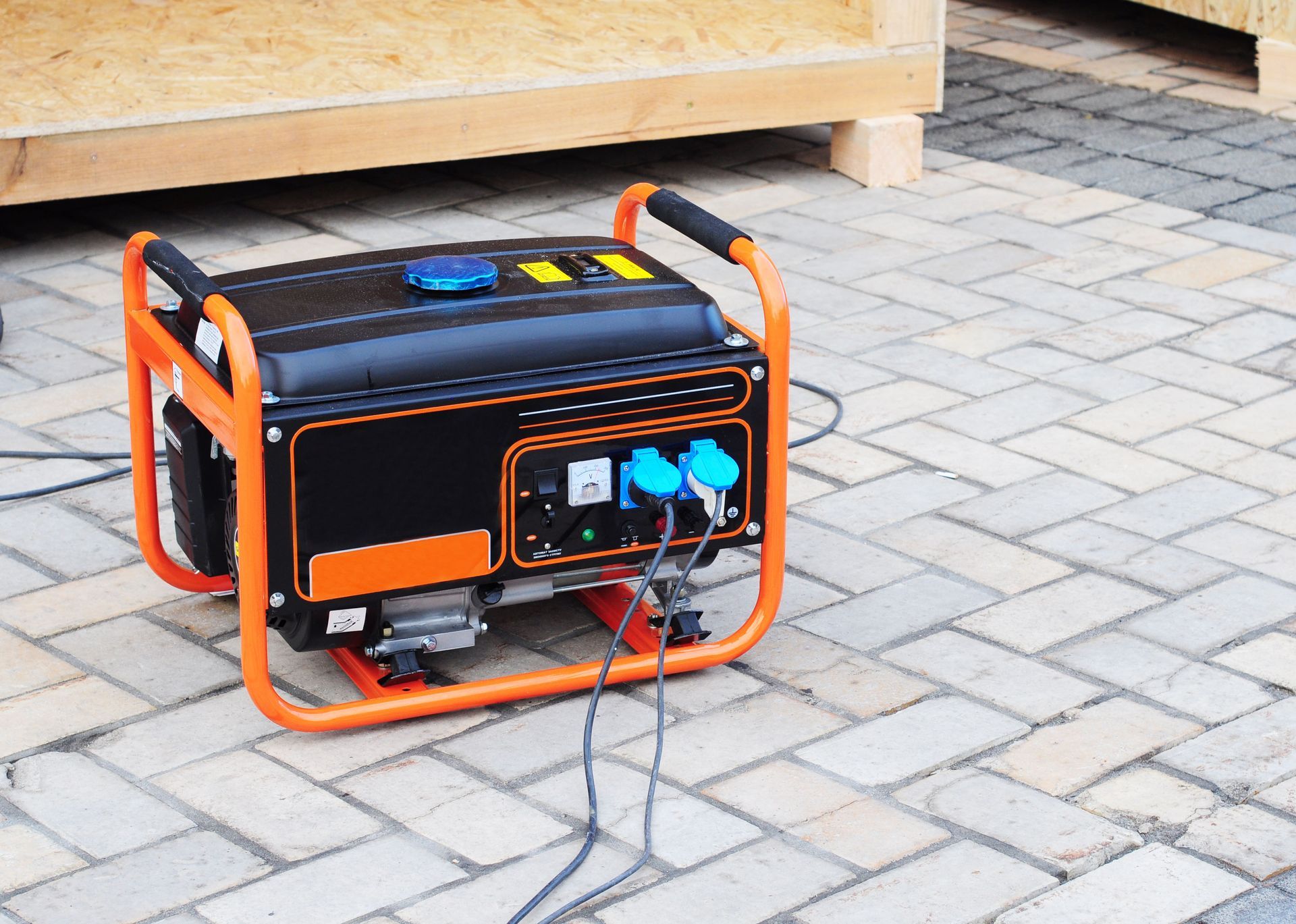
The market for home generators generally splits into two main categories, which are permanently installed standby units and moveable portable units. Whole-house standby systems sit on a concrete pad outside your property, connect directly to your home's electrical panel, and run on natural gas or liquid propane. Portable models offer a lower initial purchase price and can be stored in a garage or shed until emergency situations arise. However, portable units require manual setup, extension cords or a dedicated transfer switch, and continuous refueling with gasoline or diesel during extended power outages. Electricians typically recommend standby options for homeowners seeking immediate, automated power restoration, while portable options suit those with minimal essential loads and smaller budgets.
Determining the Ideal Capacity Range
Navigating power output choices can feel overwhelming given the wide range of available options on the market today. According to Consumer Reports, an optimal residential backup power system generally ranges from 5,000 to 20,000 watts. However, because the labor and infrastructure expenses associated with setup are nearly identical for smaller and larger equipment, it makes financial sense to invest in a model that comfortably handles your current energy demands while accommodating future household expansion. Sizing your equipment with room to spare ensures that adding a new air conditioner, hot tub, or electric vehicle charger down the road will not force you to replace your entire power backup infrastructure.
Navigating Fuel Sources and Efficiency
Selecting the right fuel source directly affects how convenient and reliable your backup power will be during an extended emergency. Natural gas models connect straight to existing municipal utility lines, offering a virtually unlimited supply of fuel without requiring manual tank refills. Liquid propane presents a great alternative for rural homes, storing safely in large underground or aboveground tanks for years without degrading. Gasoline and diesel fuels remain common for smaller, portable home generators, though they require active storage management, fuel stabilizers, and frequent fill-ups during long disruptions. Professionals help evaluate your site's access to local utility supply lines to help you select the cleanest and most cost-effective fuel source for your region.
Installing Essential Transfer Switches
A transfer switch serves as the central control mechanism that safely routes power from your backup equipment into your home's existing electrical circuits. Installing this component is a strict requirement under national electrical codes because it prevents dangerous backfeeding, a phenomenon where electricity travels back into utility lines and puts utility repair crews at risk. Automatic transfer switches continuously monitor incoming grid power and immediately start standby home generators within seconds of an outage. Manual transfer switches are typically paired with portable setups, requiring you to physically flip a switch after safely connecting the unit outdoors. Professional installers ensure that transfer switches match your main panel rating and align precisely with local building regulations.
Ensuring Code Compliance and Permitting
Installing permanent power equipment involves far more than simply setting a unit on the ground and running wires. Municipalities enforce strict zoning rules, building codes, and environmental regulations regarding setback distances from windows and property lines, noise levels, and exhaust venting. Obtaining the required building, plumbing, and electrical permits is a crucial step that qualified contractors handle on your behalf. Failing to secure appropriate permits can result in hefty municipal fines, forced equipment relocation, or even denied home insurance claims if an accident occurs. Professional installers maintain relationships with local code officials to ensure that every phase of your system setup passes official inspection seamlessly.
Preparing the Physical Site
Proper site preparation forms the physical foundation for a safe, durable, and long-lasting energy installation. Standby generators are heavy pieces of machinery that require a stable, level concrete pad or a heavy-duty composite base to prevent shifting and vibration damage over time. The chosen installation location must offer adequate clearance for proper airflow and ventilation, keeping exhaust fumes well away from fresh air intakes, doors, and operable windows. Electricians and plumbers collaborate to dig trenches and run protective conduits for electrical cables and fuel lines from your supply meters to the unit. Experienced technicians assess soil conditions, flood risks, and prevailing winds to select the safest possible physical footprint on your property.
Managing Noise and Sound Insulation
The engine noise generated by backup equipment can be a significant concern for both you and your immediate neighbors, especially during overnight outages. Modern standby home generators feature specialized sound-attenuating enclosures made of aluminum or galvanized steel lined with sound-absorbing foam. These protective covers drop operating sound levels down to roughly the same volume as a standard central air conditioning unit. During the selection process, technicians can guide you toward units with lower decibel ratings or quiet-test modes that perform routine self-diagnostics at reduced engine speeds. Selecting an appropriately quieted model ensures that your home stays powered without creating an uncomfortable acoustic disturbance in your neighborhood.
Scheduling Ongoing Professional Maintenance
To guarantee that your backup system fires up instantly when the main electrical grid fails, routine maintenance is non-negotiable. Like any engine-driven machine, this equipment requires regular oil changes, spark plug replacements, filter swaps, and battery checks to maintain peak operating condition. Many homeowners opt to sign ongoing maintenance contracts with their professional installation team, scheduling biannual or annual tune-ups to catch minor wear before it leads to system failure. Additionally, modern standby units feature smart monitoring technology that sends real-time diagnostic alerts and routine maintenance reminders straight to your smartphone. Partnering with certified technicians ensures your unit remains primed and ready for whatever weather events come your way.
Maximizing Long-Term Home Value
Investing in a professionally installed power backup system protects your family during emergencies while simultaneously increasing your property value. Real estate market trends show that prospective homebuyers increasingly view permanent generators as a highly desirable safety feature, particularly in regions prone to severe storms, winter freezes, or grid instability. A fully documented, professionally installed, and regularly serviced standby unit offers buyers immediate peace of mind and sets your property apart in competitive housing markets. By making smart capacity choices alongside licensed contractors today, you establish a resilient power strategy that secures your home's comfort and financial value for decades to come.
Working with licensed electrical professionals guarantees that your backup power investment delivers safety, efficiency, and long-term reliability. From initial load calculations to final municipal inspections, expert guidance takes the guesswork out of complex power choices. Empower your property today with a reliable energy backup system designed to keep your family safe and comfortable through any emergency. For more insight from experts on home generators that work for your residence, please contact Ainsworth Electric Inc.