September 3, 2026
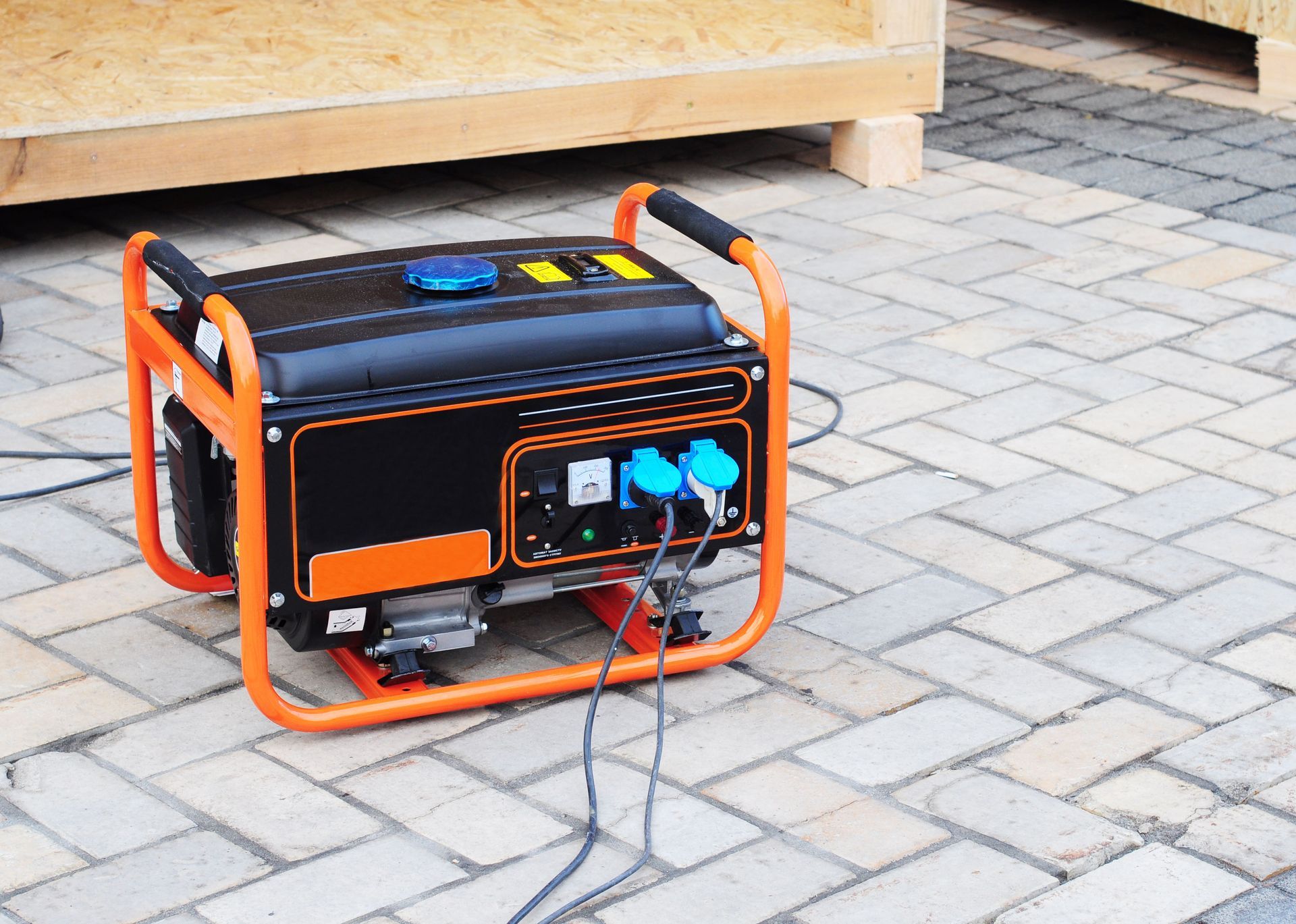
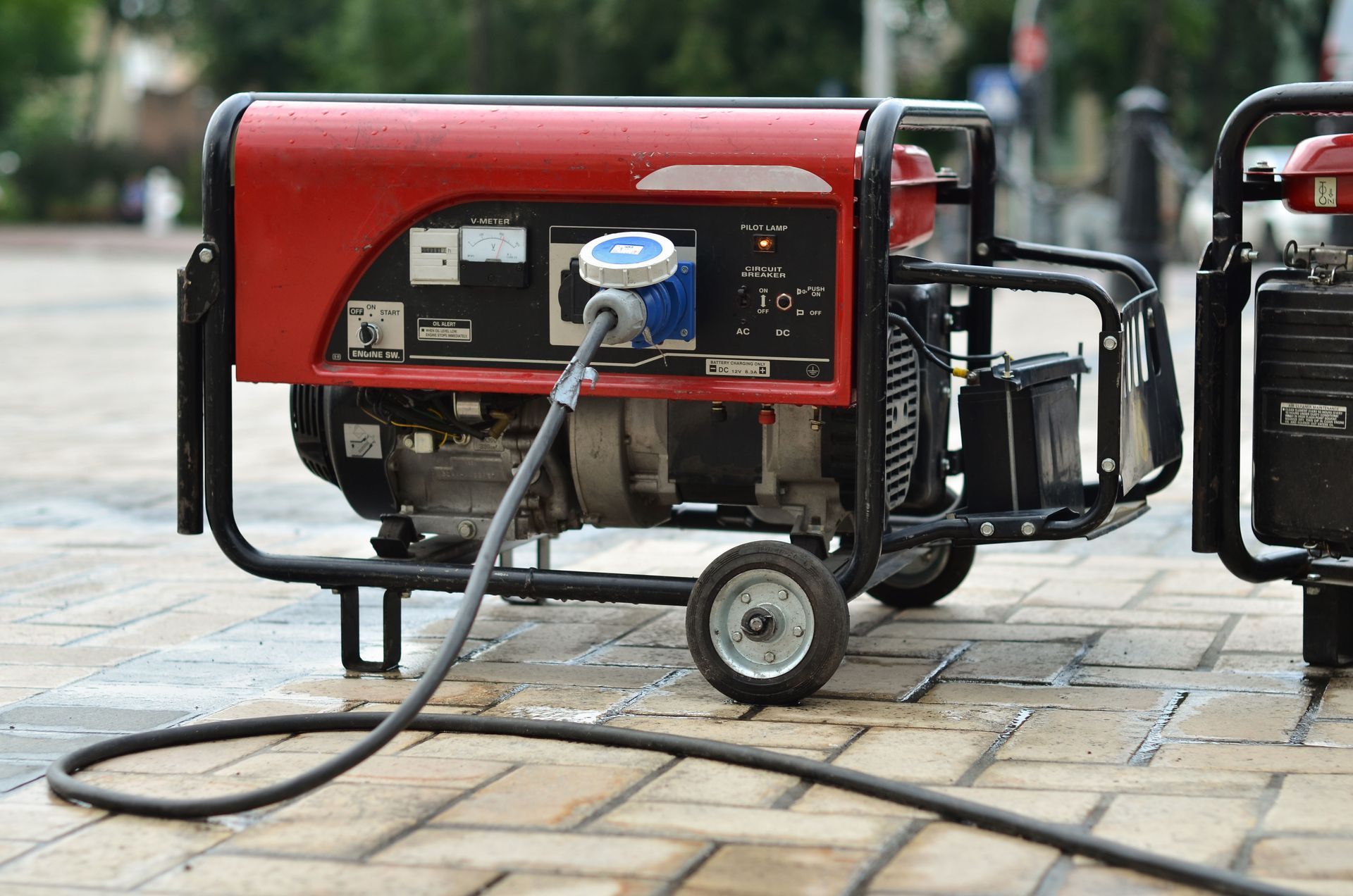
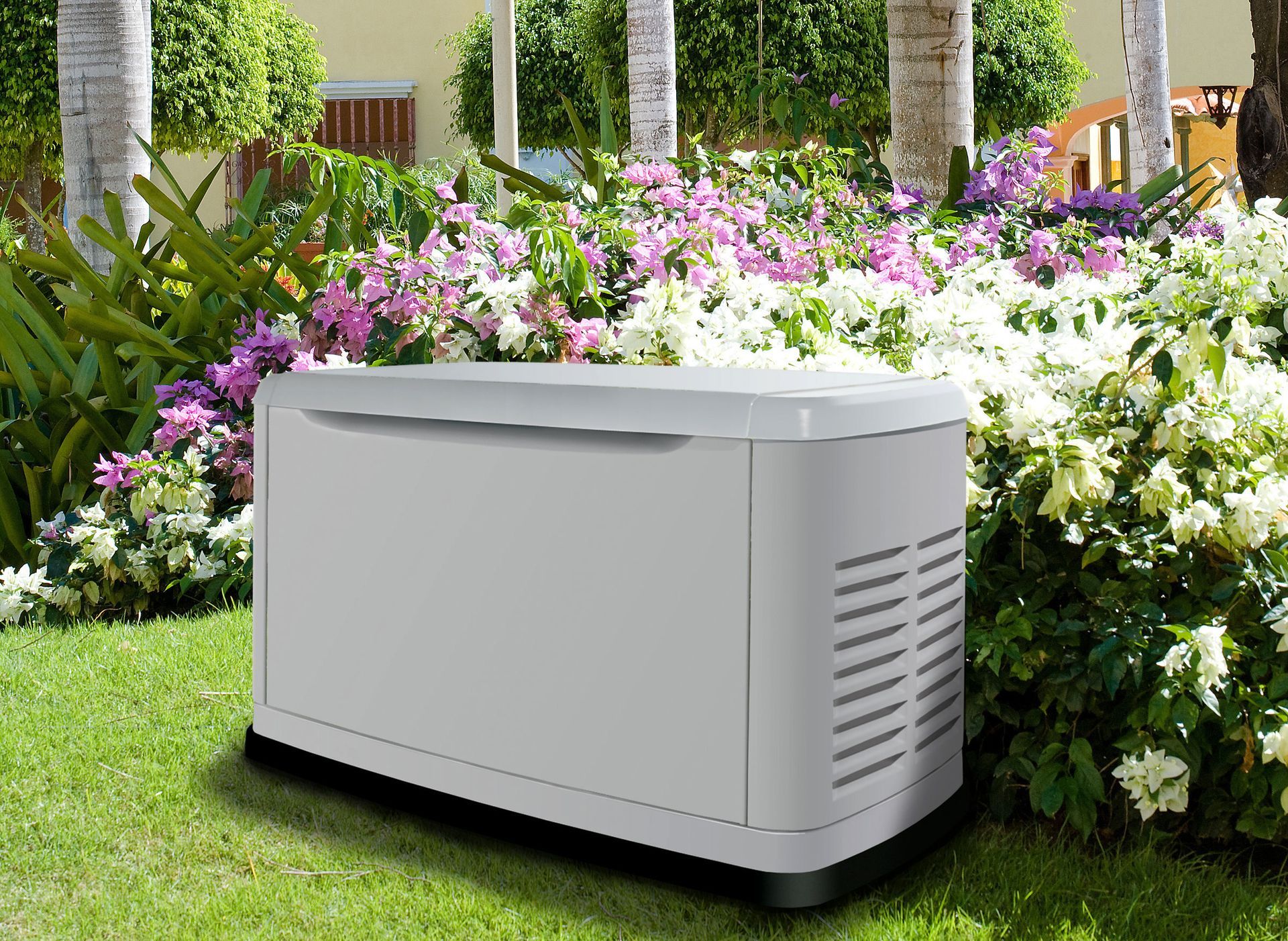
Backup generators serve as essential safety nets during power outages, ensuring that homes, businesses, and critical infrastructure remain functional. However, their reliability is heavily dependent on regular maintenance. This article explores the myriad reasons why upkeep is crucial for backup generators. The investment in a backup generator is only as effective as the program in place to maintain it. By investing in regular maintenance, owners ensure their systems' reliable performance and extended service life.
Operational Efficiency
A pivotal aspect of maintaining backup generators is conducting regular performance checks. These inspections help identify potential issues before they manifest into operational failures. Frequent checks involve rigorous testing of various components to verify the entire system’s functionality. Such diligence assures that the generator is primed for immediate deployment when the need arises. Maintaining an efficient operational status reduces the risk of outages, ensuring that the generator reliably meets demands.
Proper fuel system maintenance is critical for generator functionality. This involves checking and cleaning fuel lines, tanks, and filters to prevent clogs and contamination. Regularly inspecting these elements ensures that the generator runs at optimal efficiency, reducing wear and tear. A well-maintained fuel system significantly decreases the risk of operational interruptions due to fuel-related issues. Comprehensive upkeep helps maintain the purity and efficacy of fuel, contributing to the generator's longevity.
The battery system is the heart of the generator’s start-up mechanism. Ensuring batteries are charged and free from corrosion is crucial to efficient generator operation. Regular testing and maintenance bolster the generator's reliability, particularly during unexpected power interruptions. Neglecting battery upkeep can lead to ignition failures, leaving power systems vulnerable. A comprehensive battery maintenance program instills confidence in the user's ability to deploy the generator immediately when needed.
Regular lubrication and timely oil changes are essential in avoiding engine wear and tear. Fresh oil ensures that the generator's engine components operate smoothly, minimizing friction and heat build-up. With appropriate lubrication, potential engine damage is significantly reduced, prolonging the generator's service life. By integrating these tasks into the maintenance schedule, owners remain proactive about engine health. Such practices are key in optimizing generator functionality and operational durability.
Generator Lifespan
A proactive approach to maintenance can significantly extend the generator’s lifespan. By addressing minor issues before they escalate, catastrophic failures are avoided. This preventive measure ensures that each component functions optimally, minimizing the need for unexpected repairs. Early identification of potential wear and tear fosters a stable operational environment and lessens the likelihood of breakdowns. Routine maintenance serves not only as a corrective measure but as a protective strategy for prolonged generator life.
Regularly scheduled maintenance enhances the longevity of individual generator components. By ensuring that each part receives appropriate attention, operational efficiency is upheld. Periodic inspections and necessary replacements contribute to cohesive system performance, preventing premature equipment aging. A systematic approach to component upkeep can significantly heighten the overall lifespan of the generator. Well-maintained components mean seamless integration and performance, maximizing the utility of the entire system.
Consistent maintenance practices directly influence the reliability and readiness of backup generators. By minimizing downtime through careful and regular checks, stakeholders ensure uninterrupted power availability. Scheduled inspections and timely interventions prevent unplanned outages that could disrupt essential activities. An unwavering focus on minimizing downtime equates to higher trust and confidence in the generator's performance. With regular service, the generator remains a dependable asset during crises, reinforcing its intended purpose.
The threat of corrosion poses significant risks to generator longevity and effectiveness. Regular cleaning and protective measures against rust and deterioration are vital. By focusing on removing moisture and contaminants, component health is preserved. Anti-corrosion techniques, when applied diligently, safeguard the generator from premature failures. With thorough maintenance, resistance against corrosion is strengthened, ultimately enhancing the generator's operational lifespan.
Optimization of Fuel Consumption
The quality of fuel used in generators significantly impacts performance and efficiency. Regular inspections ascertain that fuel is clean, free from contaminants, and suitable for combustion. Ensuring high-quality fuel prevents clogging and operational inefficiencies, maximizing the generator's potential. Scheduled inspections empower users to maintain a peak power generation system while adhering to consumption standards. This not only optimizes functionality but also preserves the generator's mechanical integrity.
Optimal fuel storage management is a pivotal part of generator maintenance. Proper techniques are employed to safeguard fuel quality, sustaining its efficacy over time. By using clean containers and maintaining specific storage conditions, generators utilize high-quality fuel for longer periods. Vigilance in fuel management prevents contamination and degradation, contributing to operational efficiency. Good practices ensure fuel is always ready for use, minimizing performance disruptions during critical times.
Routine fuel line cleaning is critical to maintaining efficient fuel delivery. Residue buildup can obstruct flow and impede generator operation, warranting thorough inspection. By incorporating regular cleaning into maintenance routines, generators achieve optimal fuel flow and combustion. This prevents operational disruptions and avoids undue stress on the generator components. Clean fuel lines equate to better fuel efficiency, contributing to consistent and reliable power delivery.
Safety Standards
Regulations governing generator maintenance range from performance standards to environmental compliance. Adherence to these regulations is mandatory to ensure safety and operational readiness. Regular maintenance helps align practices with industry-wide expectations, fostering both compliance and safety. Maintaining regulatory compliance prevents potential legal issues and promotes a generator's safe utilization. A generator that meets industry regulations instills stakeholder confidence and mitigates risk exposure.
Implementing regular safety inspections is crucial in identifying and mitigating risks. Thorough checks reveal potential safety hazards, allowing for corrective measures before they become liabilities. This systematic approach protects users while upholding operational efficacy. Consistent inspections cement a culture of safety, particularly in high-stakes environments. Establishing routine safety evaluations ensures that generators operate reliably and securely, maintaining compliance with established safety directives.
Managing emissions is an integral part of maintaining a generator's ecological footprint. Effective exhaust system maintenance reduces harmful pollutants, aligning with environmental standards. By prioritizing emission control, generators operate responsibly, minimizing environmental impact. This proactive stance on emissions reinforces the generator's compliance and sustainability commitments. Regular emission checks promote a cleaner environment while enhancing the generator’s responsible operation and brand reputation.
Cost-Effectiveness and Financial Savings
Routine maintenance significantly reduces the need for costly, unexpected repairs. By identifying potential problems early, corrective actions can be taken before issues worsen. This foresight into maintenance equates to reduced expenditure on emergency repairs, highlighting cost-effectiveness. The proactive maintenance approach keeps the generator in good condition, avoiding expensive disruptions and unnecessary financial strain. Lowering repair costs ensures the generator operates within its budgetary means, aligning with financial goals.
Regular maintenance extends a generator's service life, delaying the need for costly replacements. Scheduled checks and balanced usage allow the generator to serve its full operational term. According to Home Advisor, a quality standby generator can run for about 30 to 50 years with regular service. Delaying replacement through consistent maintenance reflects significant financial savings, optimizing current investments. Maintaining a generator ensures that long-term returns are maximized while postponing costly new purchases.
Efficient resource utilization is achievable through diligent and routine generator maintenance. Investing in maintenance translates to optimizing every aspect of the generator, from fuel to mechanical components. Well-maintained systems capitalize on all available resources, maximizing output and minimizing waste. This efficiency in resource management mirrors cost-effective operations, optimizing expenditures while enhancing performance. Maintaining a generator is key to leveraging resources effectively, driving value across operational lifecycles.
Regular maintenance is not just a recommendation but a necessity for
backup generators. By adhering to a structured maintenance routine, you ensure the efficiency, safety, and longevity of your generator, ultimately providing peace of mind and financial savings. Invest in the upkeep of your backup generator today to guarantee its reliability in times of need. Such commitment to maintenance fortifies operational readiness, upholding the generator’s fundamental purpose. Through diligence and foresight, the backup generator becomes an enduring asset, safeguarding continuity and trust. For more information about backup generators, contact Ainsworth Electric Inc today.