November 5, 2026
Power outages can disrupt everyday routines, damage appliances, and create uncomfortable living conditions. Whether your area experiences frequent storms or occasional electrical interruptions, investing in reliable backup power can protect your household. Whole house generators provide automatic electricity during outages, allowing essential appliances and systems to continue operating. However, selecting the right equipment requires evaluating your home's electrical demands, available fuel sources, installation requirements, and long-term expenses. Understanding these factors helps homeowners make informed decisions while ensuring dependable performance during emergencies.
Understanding Your Household Power Needs
Before purchasing a generator, determine which appliances and electrical systems must remain operational during an outage. Refrigerators, heating equipment, air conditioners, medical devices, and lighting often receive priority. Consider whether you want to power your entire property or only essential circuits. Identifying these requirements helps prevent unnecessary spending while ensuring your household maintains access to important conveniences. Homeowners should also consider seasonal electricity demands because heating and cooling equipment can significantly influence generator capacity.
Calculating electrical demand is essential when comparing whole house generators. Begin by identifying the running wattage of important appliances and accounting for additional electricity required during startup. According to This Old House, operating a 20kw generator should be enough to power the majority of your home devices. However, actual requirements depend on property size, appliance efficiency, and simultaneous electricity consumption. Professional electricians can perform detailed load calculations to recommend appropriate equipment. Accurate sizing prevents excessive fuel consumption and reduces the likelihood of overloading your backup power system.
Planning for Future Electrical Demands
Household electricity consumption may increase as homeowners install additional appliances, renovate living spaces, or incorporate advanced technology. Electric vehicle chargers, home offices, and upgraded HVAC systems can influence future power requirements. Choosing equipment with appropriate capacity for anticipated improvements helps maintain long-term functionality.
However, purchasing an excessively large generator can increase installation expenses and operating costs. Discussing potential electrical upgrades with an experienced installer allows you to balance current needs with future flexibility. Reviewing your household's electrical usage history can also reveal patterns that influence equipment selection and help establish realistic expectations for backup power.
Comparing Different Generator Types and Features
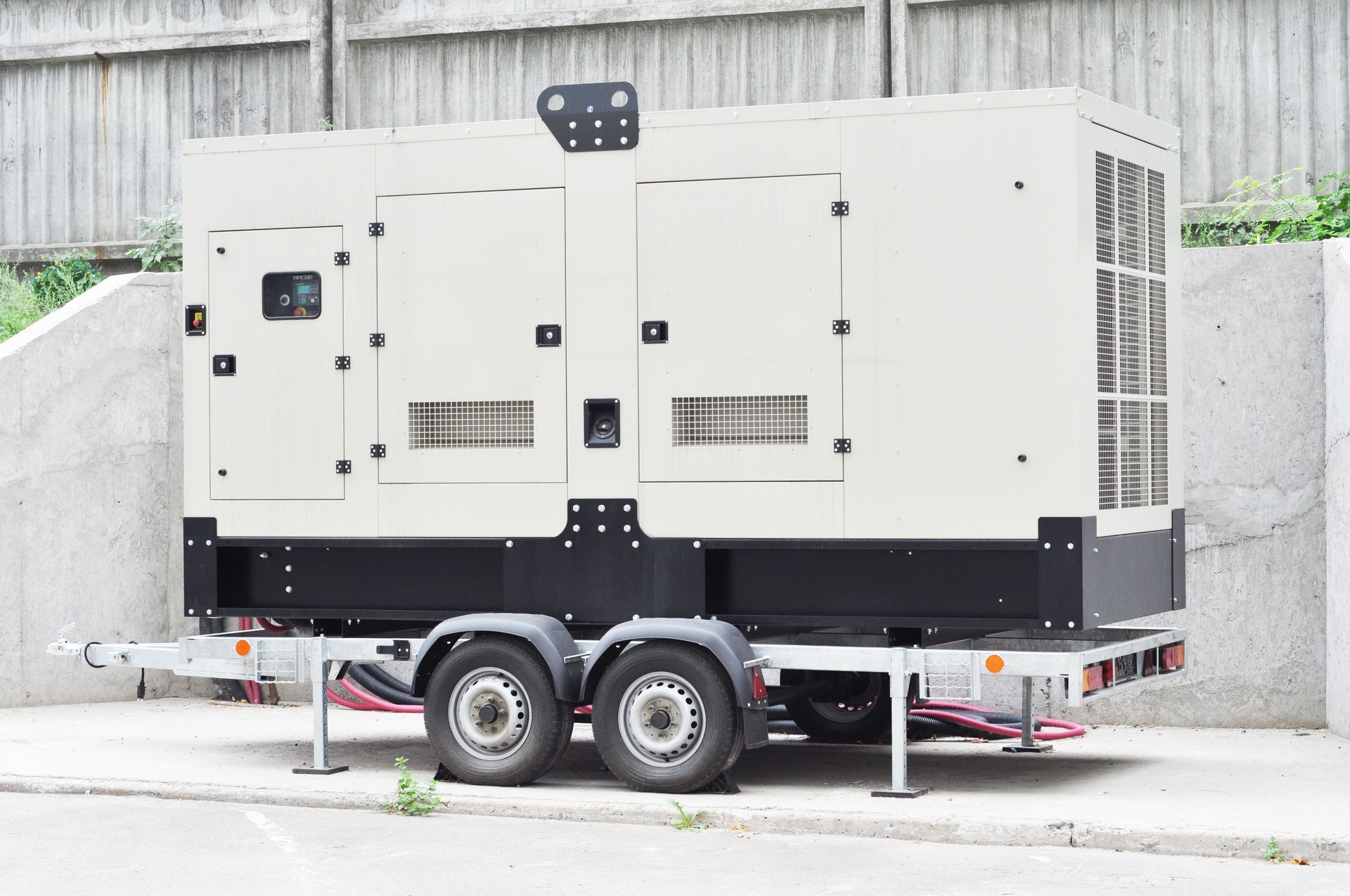
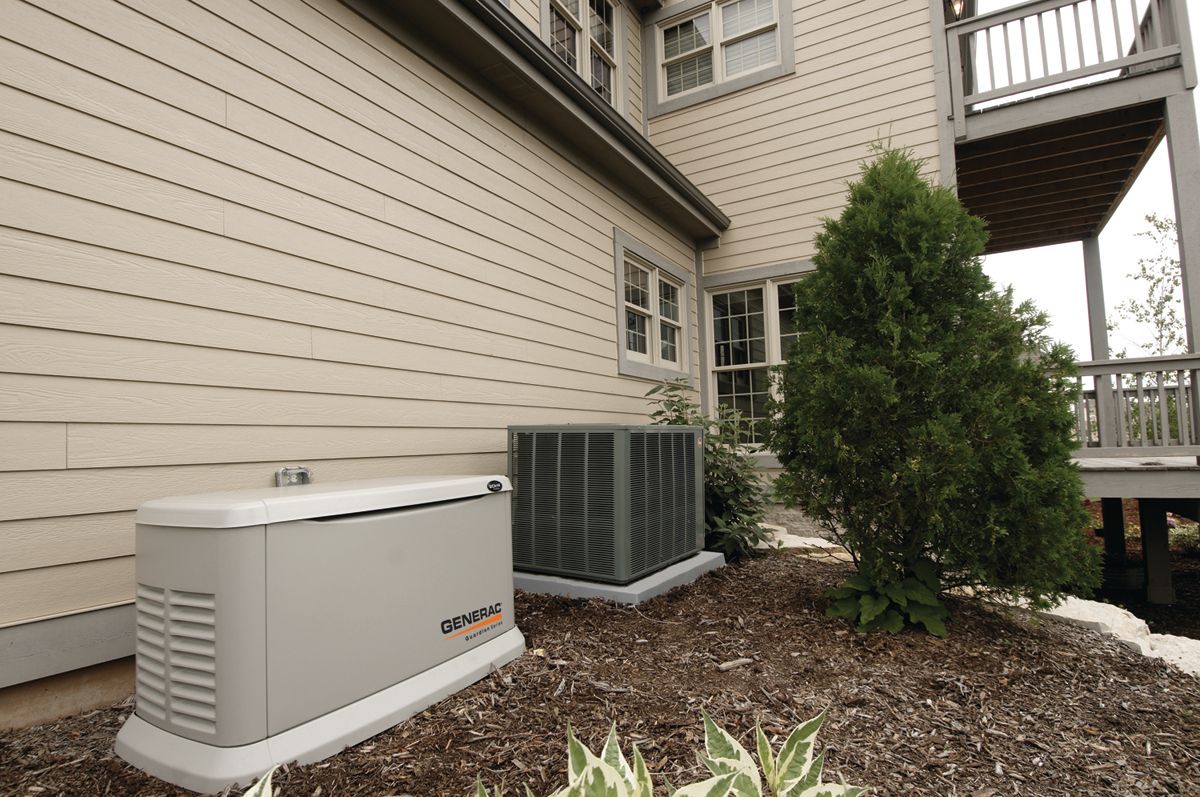
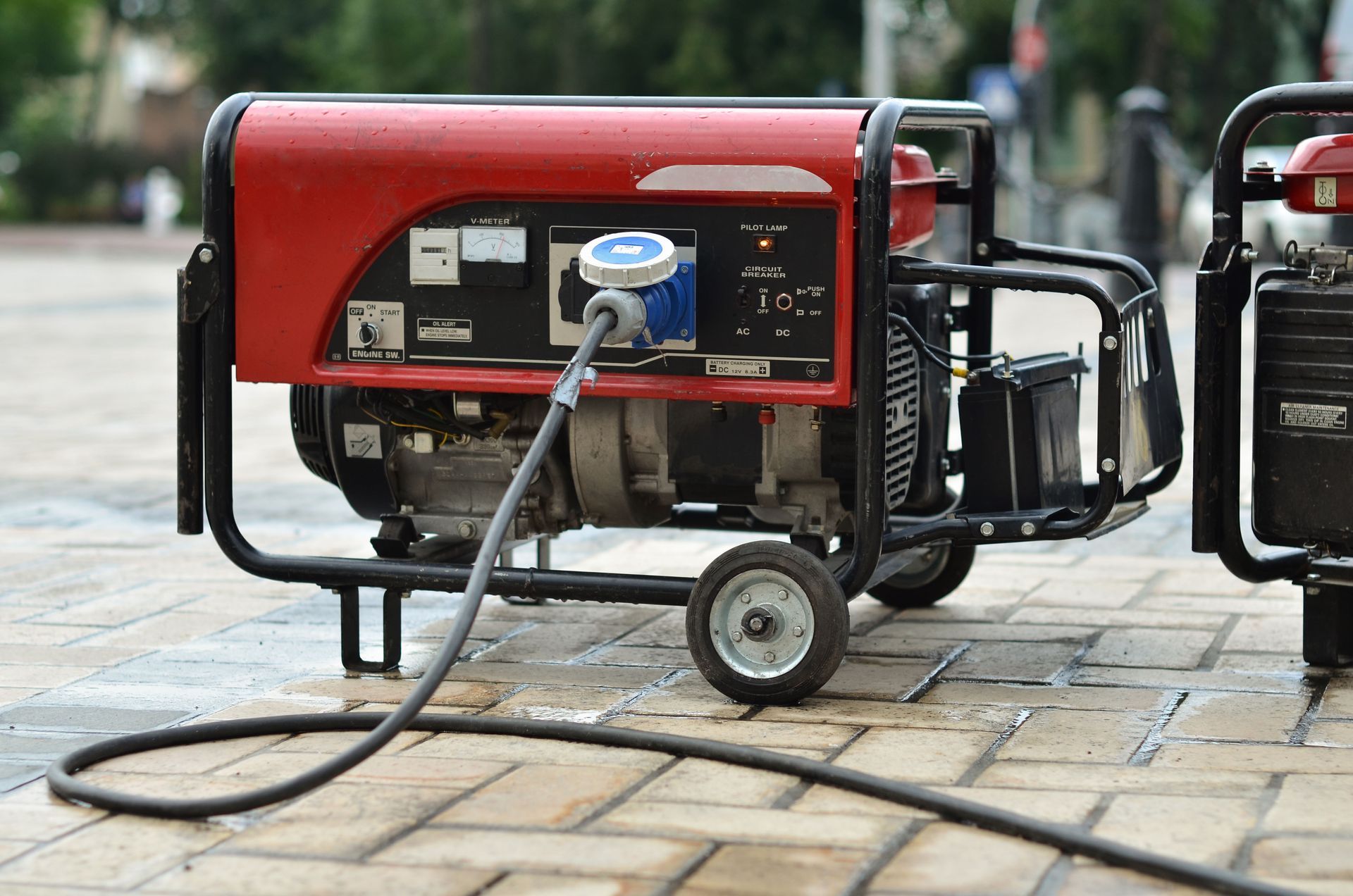
Understanding available equipment helps homeowners identify solutions that match their expectations. Standby generators connect directly to residential electrical systems and activate automatically when utility electricity becomes unavailable. Portable models typically cost less but require manual setup and careful fuel management. Inverter generators provide efficient electricity for smaller loads and sensitive electronics, although most models cannot support an entire household. For homeowners seeking automatic residential backup power, permanently installed standby systems generally provide the most comprehensive solution.
Modern whole house generators offer features designed to improve convenience, reliability, and operational efficiency. Automatic transfer switches detect utility interruptions and transfer electrical loads to backup equipment. Remote monitoring capabilities allow homeowners to review operating conditions, maintenance notifications, and system performance through compatible applications. Some models incorporate advanced load management technology that prioritizes important appliances when electricity demand increases. Comparing these features helps homeowners select equipment that accommodates their lifestyles without paying for unnecessary capabilities. Reviewing manufacturer warranties and available service support can further simplify long-term equipment ownership.
Choosing the Right Fuel Source
Fuel availability significantly influences generator performance and operating expenses. Natural gas systems connect to existing utility infrastructure, eliminating the need for routine fuel deliveries when service remains available. Propane provides another dependable option, particularly for properties without natural gas connections. Diesel generators offer substantial power capacity and durability but require appropriate fuel storage and maintenance. Each option presents different installation requirements, operating costs, and environmental considerations. Evaluating local fuel availability helps homeowners determine which system provides the most practical long-term solution.
Generator runtime depends on fuel availability, electrical demand, and equipment efficiency. Natural gas models can operate continuously while sufficient utility fuel pressure remains available, whereas propane and diesel systems depend on stored fuel supplies. Higher electrical loads generally increase fuel consumption and reduce operating duration for tank-fed equipment. Homeowners should estimate how long outages typically last in their communities and plan accordingly. Reducing unnecessary electricity consumption during emergencies can conserve fuel and extend backup power availability. Maintaining an adequate fuel supply also supports preparedness during severe weather events.
Considering Solar and Hybrid Backup Systems
Solar-powered battery systems offer an alternative approach to residential emergency electricity. These solutions store energy generated by photovoltaic panels or supplied through the electrical grid. Hybrid configurations can combine renewable energy storage with conventional generators to improve flexibility during extended outages. However, battery capacity, solar production, and equipment compatibility influence performance.
Homeowners interested in reducing fuel consumption should compare installation expenses, storage capabilities, and expected backup duration before choosing renewable energy alternatives. Consulting qualified electrical professionals can help determine whether these technologies are compatible with existing household infrastructure and long-term energy goals.
Prioritizing Professional Generator Installation
Professional installation is essential for safely integrating whole house generators into residential electrical systems. Qualified installers evaluate electrical panels, fuel connections, property layouts, and equipment specifications before beginning work. They also coordinate automatic transfer switch installation and verify that electrical connections meet applicable safety standards. Improper installation can create dangerous electrical conditions, including backfeeding into utility lines. Working with experienced professionals helps protect household occupants, utility workers, and electrical equipment while supporting dependable system operation.
Generator placement affects ventilation, maintenance accessibility, and overall safety. Permanently installed equipment requires a stable foundation and sufficient clearance from windows, doors, vents, and combustible materials. Exhaust gases contain carbon monoxide, making proper outdoor placement particularly important. Installation distances must follow manufacturer instructions and applicable local codes. Homeowners should also consider potential flooding, falling debris, and excessive moisture when selecting installation locations. Proper positioning helps protect equipment while reducing hazards during operation. Installing functional carbon monoxide detectors inside the home provides an additional layer of protection.
Following Local Building Codes and Permit Requirements
Residential generator installations may require electrical, mechanical, or fuel-related permits depending on local regulations. Municipal authorities can establish requirements concerning noise levels, property boundaries, equipment placement, and electrical connections. Homeowners associations may impose additional restrictions on visible outdoor equipment. Professional contractors can help identify applicable requirements and coordinate inspections when necessary.
Addressing regulatory obligations before installation prevents avoidable delays and supports compliance with established safety standards. Homeowners should also confirm whether their electrical infrastructure requires upgrades before installation begins, as older panels may need modifications to accommodate new equipment.
Maintaining Your Generator for Reliable Performance
Routine maintenance helps whole house generators operate effectively when unexpected outages occur. Important tasks include checking engine oil, inspecting air filters, evaluating battery condition, and examining electrical connections. Maintenance intervals depend on manufacturer recommendations, operating hours, and environmental conditions. Many standby models perform automatic exercise cycles that help identify potential operational problems. Scheduling professional inspections and addressing warning indicators promptly can reduce unexpected breakdowns and extend equipment service life.
Homeowners should also maintain accurate service records documenting inspections, repairs, and component replacements. These records can help technicians identify recurring issues and determine when additional maintenance becomes necessary. Following manufacturer guidelines supports equipment reliability and may help preserve applicable warranty coverage. Testing system readiness before severe weather seasons provides additional confidence that backup electricity will be available when needed.
Before making a final decision, compare equipment specifications, installation proposals, warranty coverage, and available maintenance services. Consider how different systems accommodate your household's daily activities and emergency priorities. Investing in properly sized whole house generators can provide greater peace of mind while supporting household preparedness during unexpected outages. Contact our team at Ainsworth Electric Inc today to learn more about our electrical services and discuss your residential backup power needs.