November 3, 2026
Choosing the right generator involves more than selecting a model based on price or size. Your home's electrical panel capacity, power requirements, and essential appliances all affect which generator will work best during an outage.
A generator that is too small may struggle to meet your needs, while an oversized unit can unnecessarily increase installation and operating costs. Understanding how to match home generators to your electrical system can help you maintain reliable backup power without compromising safety.
Understand Your Electrical Panel Capacity
Your electrical panel distributes power throughout your home and determines how much electricity your electrical system can safely handle. Before choosing a generator, you should understand your panel's amperage rating and the electrical demands of the circuits you want to power during an outage.
According to HomeGuide, selecting the appropriate amperage helps prevent overloaded outlets and tripped breakers. Many homes require at least 100 amps of electrical service, while newer properties and homes with greater electrical demands often need 200 amps or more.
However, your panel's amperage rating does not automatically determine the generator size you need. A 200-amp panel does not necessarily require a generator capable of supplying the panel's full load. Instead, your generator should be sized to the appliances, lighting, heating, and cooling equipment, as well as other electrical devices you intend to operate simultaneously.
An electrician can evaluate your panel, existing circuits, and electrical service to determine what your system can support. This assessment helps establish a practical starting point for selecting home generators that meet your needs.
Calculate Your Essential Power Requirements
The next step is identifying which appliances and systems you want to keep running during an outage. Some homeowners need backup power for nearly every circuit, while others prioritize a smaller group of essential devices.
Start by creating a list of the equipment you consider necessary, such as:
- Refrigerators and freezers
- Lighting and selected electrical outlets
- Heating systems, furnaces, or air conditioning equipment
- Sump pumps and well pumps
- Internet routers and communication devices
- Medical equipment that requires electricity
Once you have your list, determine how much power each item requires. Appliances typically display their electrical ratings on a label or in the manufacturer's documentation. Their power consumption may be listed in watts, while larger equipment may be listed in kilowatts.
Add the wattages of the appliances you expect to operate simultaneously. This gives you an initial estimate of your running power requirements. Remember that you may not need every appliance running simultaneously, so prioritizing essential loads can help you avoid choosing a generator larger than necessary.
Account for Starting Watts and Running Watts
Understanding the difference between starting watts and running watts is essential when sizing a generator. Running watts represent the power an appliance needs to operate continuously. Starting watts represent the additional power some equipment requires when its motor first starts.
Refrigerators, air conditioners, well pumps, and other motor-driven appliances may require significantly more power during startup than during normal operation. If several of these appliances start simultaneously, their combined demand may exceed the generator's available output.
For example, a generator might provide enough continuous power for your refrigerator, lighting, and selected outlets, but struggle when an air conditioner or pump starts. That does not necessarily mean the generator is defective; it may indicate that the system was not sized to accommodate the combined starting loads.
When comparing home generators, check both their continuous output ratings and their starting or surge capacities. An electrician can help calculate these demands and determine whether load management or a different generator size would better meet your requirements.
Match Generator Output to Your Electrical Panel
After calculating your power needs, compare the estimated load with the generator's available output and your home's electrical configuration. The goal is to provide enough power for your selected circuits while ensuring that the installation is compatible with your electrical panel.
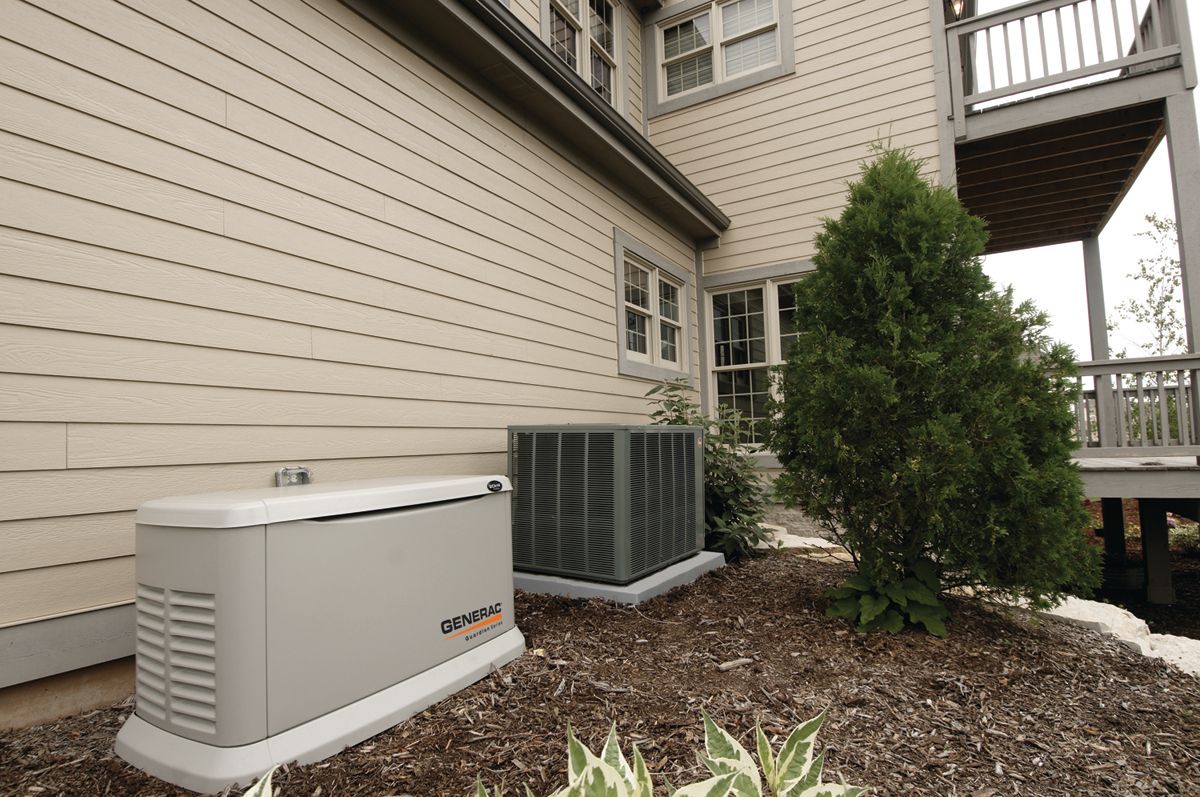
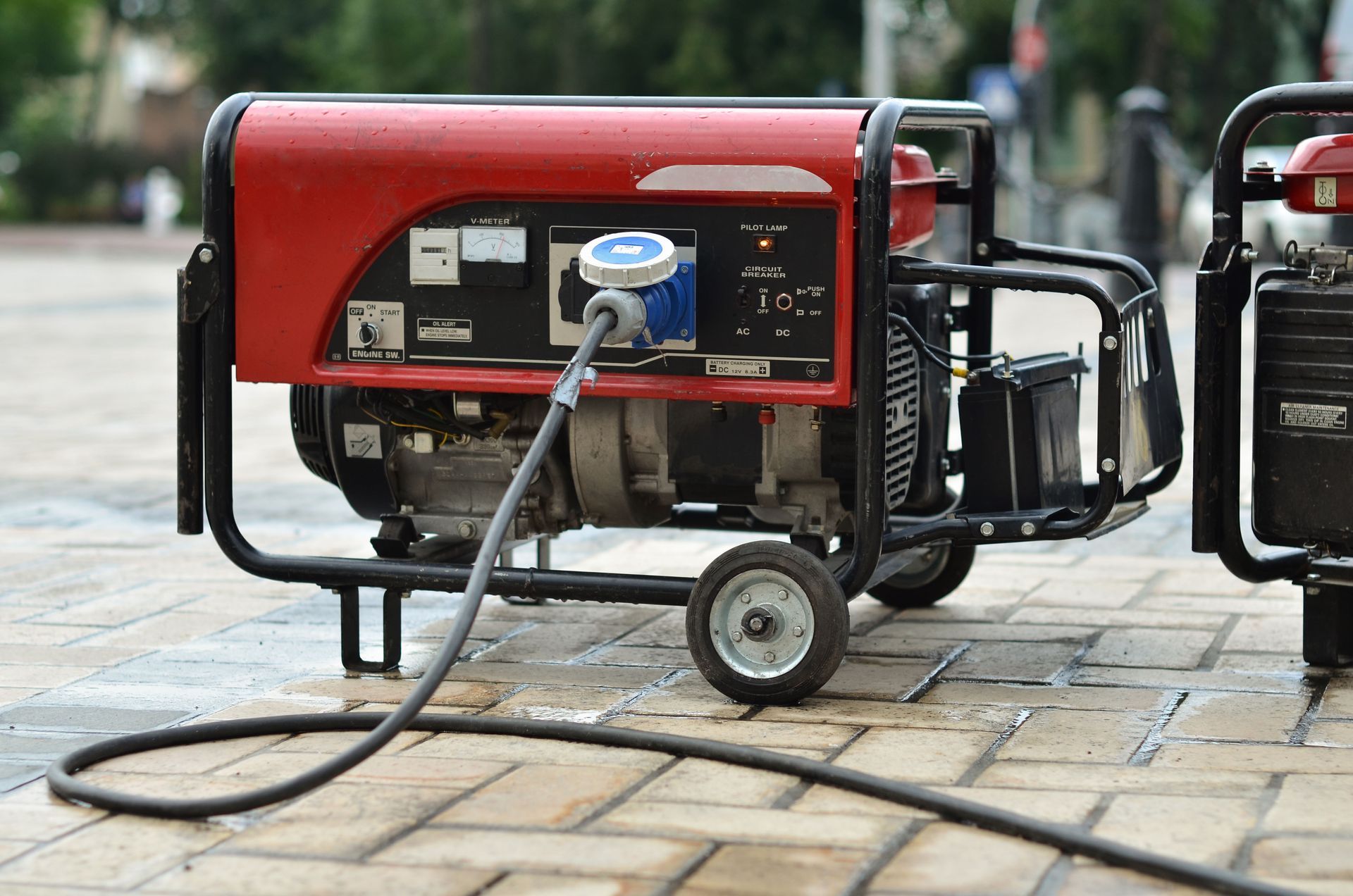
Portable generators and permanently installed standby generators may offer different output levels and connection options. The appropriate choice depends on your power requirements, installation preferences, fuel availability, and the circuits you want to support.
A transfer switch or other approved transfer equipment is also important when connecting a generator to your home's electrical system. It helps isolate the home from utility power during generator operation, preventing dangerous backfeeding into power lines. Generator connections must follow applicable electrical codes and manufacturer instructions.
Your panel's capacity, the generator's output, and the transfer equipment must work together as a properly designed system. Simply purchasing a generator with a matching amperage rating does not guarantee compatibility. Professional evaluation helps ensure that home generators supply the intended circuits safely and reliably.
Choose Between Essential-Circuit and Whole-Home Backup
Your preferred level of backup power can influence the generator size you need. Some homeowners want to maintain only essential services, while others want a system that can operate most or all of the household's electrical equipment.
Essential-circuit backup focuses on selected loads, such as refrigeration, lighting, communication equipment, and heating controls. This approach can reduce the required generator output and help manage installation costs. It may be particularly practical when you can temporarily avoid using high-demand appliances.
Whole-home backup aims to support a broader range of electrical needs. Depending on the generator's capacity and the home's electrical demand, you may still need to manage certain loads to prevent overloads. Large air conditioners, electric ranges, clothes dryers, and other high-wattage appliances can significantly increase the required capacity.
When comparing home generators, consider how often outages occur in your area and which household systems are most important to keep running. You should also evaluate fuel availability, operating costs, and whether your electrical panel can accommodate the planned setup. An electrician can help determine which configuration fits your home's needs and budget.
Consider your household's priorities, typical energy use, and budget before deciding between these options. The best solution is not necessarily the largest generator available, but the system that reliably supports your actual needs.
Plan for Safe Installation and Future Electrical Needs
Selecting home generators is only part of preparing your home for power outages. The installation must account for electrical compatibility, proper placement, ventilation, fuel supply, and routine maintenance.
Never operate a fuel-powered generator inside your home, garage, or another enclosed area because carbon monoxide can cause fatal poisoning. Follow manufacturer instructions for outdoor placement, maintain safe clearances, and use appropriate transfer equipment installed by a qualified professional.
You should also consider whether your electrical needs may increase in the future. Adding an electric vehicle charger, upgrading heating and cooling equipment, or installing additional appliances could change your backup power requirements. Discuss planned upgrades with your electrician before finalizing the generator's size.
Routine inspection and maintenance are equally important. Fuel systems, batteries, connections, and other components may require periodic attention to help ensure the generator is ready during an outage. A properly sized unit still needs regular care to operate dependably.
Select the Right Generator for Your Home
Sizing home generators to your electrical panel capacity requires careful consideration of your home's power demands, appliance start-up requirements, and your preferred level of backup coverage. By evaluating these factors together, you can avoid purchasing a unit that cannot handle essential loads or paying for capacity you are unlikely to use.
Professional guidance can also help you identify compatibility concerns, choose appropriate transfer equipment, and plan for safe operation. Ainsworth Electric Inc. can help you address your generator repair and maintenance needs and keep your backup power system operating reliably. Contact Ainsworth Electric Inc. to discuss your generator needs and schedule professional service.