June 3, 2026
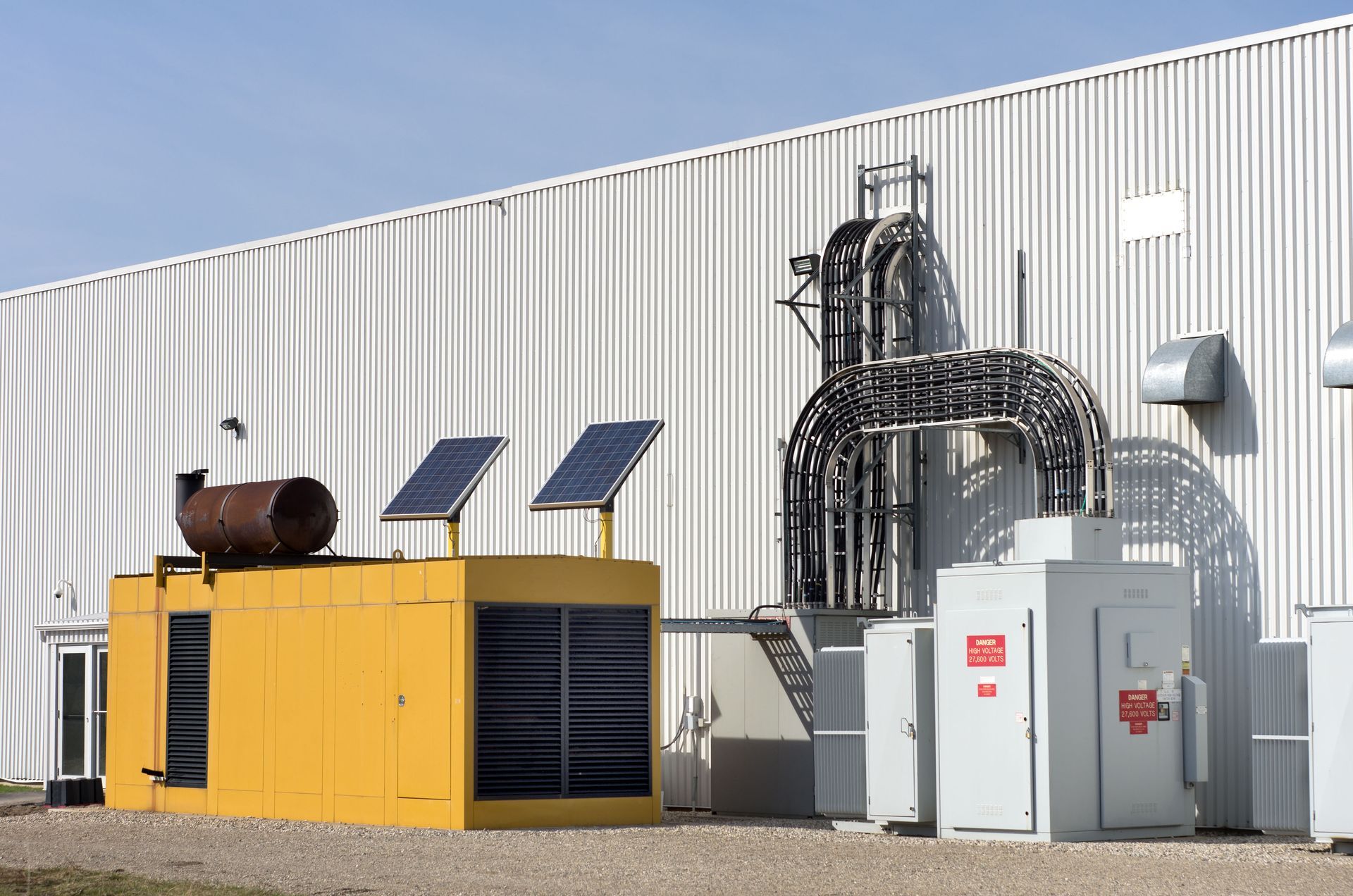
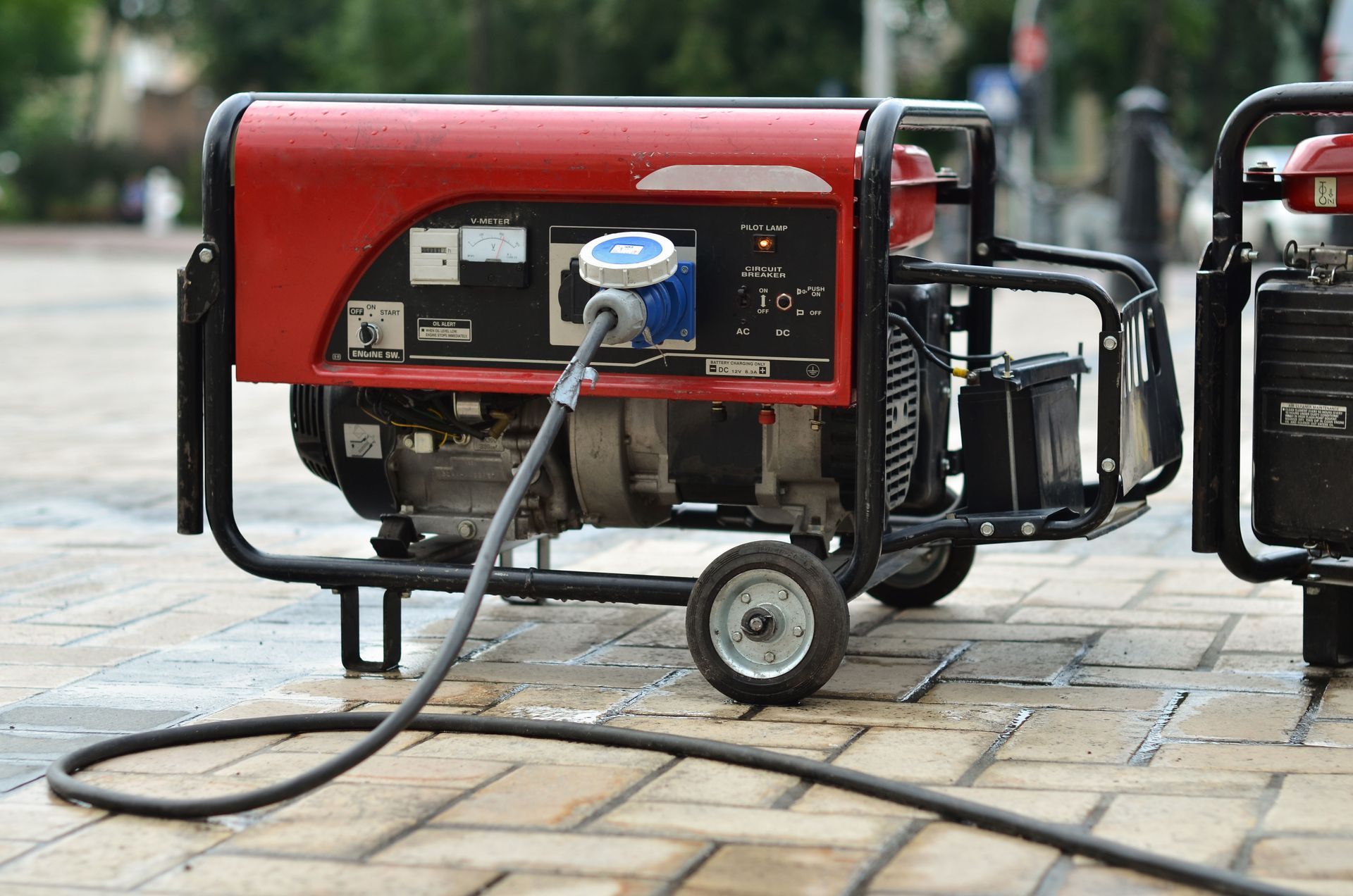
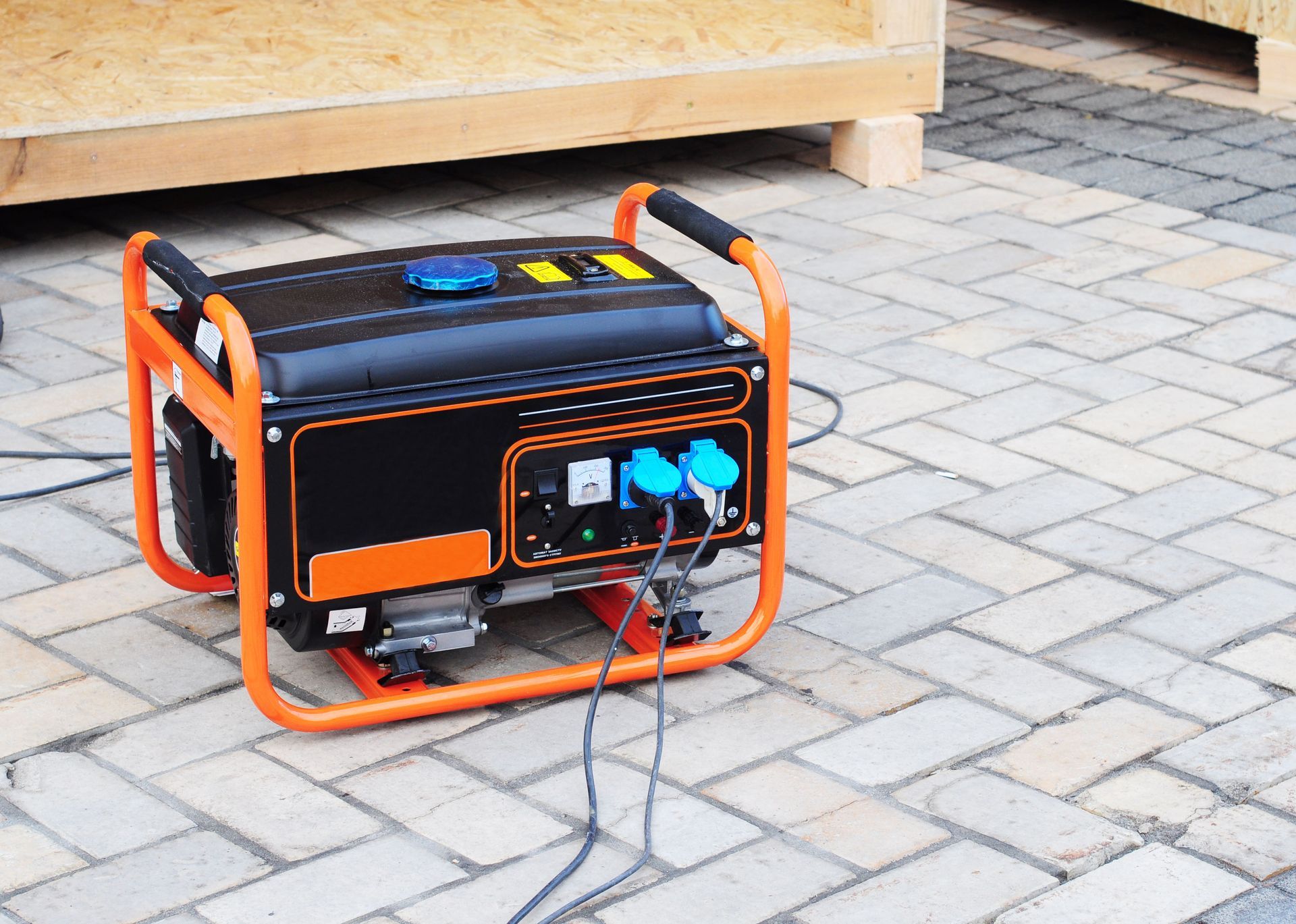
Understanding the role of commercial generators in maintaining business operations during power outages is essential for maintaining business continuity. According to Zipdo, about 55% of residential generators are installed specifically for backup during power outages, and the need may be even more crucial for businesses. Power outages can happen unexpectedly, and when they do, businesses without a backup plan often find themselves in precarious situations. Let's explore why commercial generator installation is a critical strategy for businesses facing potential power disruptions.
The Concept of Business Continuity
Business continuity involves the strategic and tactical capabilities of an organization to plan for and respond to incidents and business disruptions in order to continue business operations at an acceptable predefined level. It ensures that essential functions continue to be available before, during, and after a crisis. Companies that emphasize business continuity are better prepared for unforeseen events, including power outages, as they have a comprehensive plan in place. The essence of continuity is to mitigate the risk of exposure to both internal and external threats. As businesses increasingly rely on technology, maintaining continuity has become crucial for survival and growth.
A strong business continuity plan also helps companies respond more effectively to emergencies by establishing clear procedures and backup systems before disruptions occur. Businesses that prepare in advance are often able to recover more quickly and reduce operational confusion during unexpected events. Backup power solutions play a major role in these plans because they support communication systems, security equipment, and essential technology needed to keep operations running. By proactively addressing potential interruptions with a commercial generator installation, you can maintain productivity, protect customer relationships, and reduce the stress associated with sudden power failures.
The Financial Implications of Power Interruptions
Power interruptions often translate into significant financial losses for businesses. Downtime can halt production, leading to lost revenue and dissatisfied customers. Many businesses can measure the cost of an hour without power in tens of thousands of dollars. The financial repercussions extend beyond just the immediate loss; they can include damage to critical equipment and potential losses in data integrity. Investing in a commercial generator installation mitigates these risks, ensuring that operations can continue smoothly, regardless of external power supply issues.
How Power Loss Affects Business Reputation
Power loss can severely damage a business's reputation. Clients and customers expect reliability and continuity, and any disruption can erode trust. In today's competitive market, a minor power interruption can be perceived as a major flaw in service delivery. Long-term reputational damage is often more costly than immediate financial losses, as rebuilding trust takes time and resources. Companies must ensure that they can deliver consistent service even during power outages to maintain their reputation and customer loyalty.
Repeated service interruptions caused by power loss can also influence how vendors, partners, and stakeholders perceive a business. Companies that struggle to maintain operations during outages may appear unprepared or unreliable, which can affect future opportunities and long-term professional relationships. In industries where responsiveness and consistency are essential, even brief downtime can create frustration and raise concerns about overall operational stability. Having a dependable backup power solution demonstrates preparedness and professionalism, helping businesses maintain credibility even during unexpected disruptions.
The Role of Risk Management in Business Continuity
Risk management is integral to business continuity planning, as it enables organizations to identify potential risks and develop strategies to minimize their impact. By understanding the risks associated with power loss, businesses can effectively plan for a commercial generator installation as a key risk mitigation strategy. Risk management involves evaluating the likelihood of power disruptions and their potential impact on operations. Companies that prioritize risk management are better equipped to make informed decisions about backup power solutions. Effective risk management ensures that businesses can maintain essential functions, thereby supporting continuity and resilience.
Compliance and Regulatory Considerations
Compliance with industry regulations and standards is another critical aspect of business continuity planning. Certain industries, such as healthcare and finance, have stringent requirements for maintaining power during outages to protect sensitive data and ensure safety. Businesses must be aware of applicable regulations and ensure that their power backup systems meet required standards. Non-compliance can result in hefty fines and damage to the company's reputation. Investing in commercial generators helps businesses stay compliant while ensuring continuous operations.
How Power Interruptions Can Affect Employee Productivity
Employee productivity is often one of the first casualties of prolonged power outages. Without power, employees may not have access to the necessary tools and systems required to perform their tasks effectively. Communication lines may be disrupted, hampering collaboration and coordination efforts. By implementing commercial generators, businesses can maintain the environmental stability that is essential for efficient employee performance. This not only supports daily tasks but also upholds morale during crises.
Client Satisfaction and Service Delivery Concerns
Client satisfaction and service delivery are heavily impacted by power interruptions. Customers expect prompt service, and delays can lead to dissatisfaction or loss of business. An unexpected power outage can cause communication breakdowns, preventing businesses from providing timely updates or resolving issues. In service-based industries, this can significantly harm client relationships. Commercial generators provide the security needed to ensure uninterrupted service delivery, maintaining client trust and satisfaction even when the external power supply fails.
Consistent communication during a power outage is another important factor in maintaining positive client relationships. Customers want reassurance that their needs are still being addressed, especially when delays or service interruptions occur. Without backup power, businesses may lose access to phones, email systems, and customer support platforms, leaving clients without updates or assistance. Commercial generators help maintain these communication channels, allowing businesses to respond promptly, provide accurate information, and demonstrate reliability during challenging situations.
Cost Savings in Emergency Situations
While the initial investment in a commercial generator installation may seem significant, the cost savings in emergency situations can be substantial. Outages can lead to significant financial losses due to halted operations, equipment damage, and potential loss of business. Generators ensure continuity, helping businesses avoid these costs. Furthermore, the reliability of a backup power source can deter more catastrophic long-term financial consequences. Investing in generators not only strengthens financial resilience during emergencies but also provides a competitive advantage in maintaining stable operations during crises.
Commercial generators can also help businesses avoid unexpected expenses related to spoiled inventory, missed deadlines, and emergency repairs. Industries such as food service, healthcare, manufacturing, and retail often depend on consistent power to preserve products and maintain daily operations. Even a short outage can lead to wasted materials, disrupted schedules, and additional labor costs associated with recovery efforts. By maintaining a reliable backup power source, businesses can reduce financial strain during emergencies and avoid many of the hidden costs that accompany prolonged downtime.
The Importance of Protecting Sensitive Equipment and Data
Sudden power outages can damage sensitive equipment and lead to data loss, which may be irreparable. Maintaining a stable power supply is critical for IT infrastructure, which supports data integrity and business applications. Commercial generators ensure continuous power, protecting essential IT systems and sensitive data storage devices. Avoiding unexpected shutdowns helps preserve the integrity of valuable information, mitigating risks associated with data breaches or loss. In industries where data security is paramount, installing generators provides an additional layer of protection.
A commercial generator installation isn't a mere operational decision but a strategic imperative that supports resilience and stability in business operations. Alarmingly, power disruptions can occur at any moment, causing severe operational and financial strain if not addressed properly. By preparing for power outages with the help of Ainsworth Electric Inc, you can ensure continuity, protect your reputation, and maintain a competitive advantage. Reach out to us today to get started with a free estimate!